Fauna Report / Article
Keystone species: a powerful idea, often misused
Not every important animal is a keystone species. What the term actually means, where it came from, and why it gets stretched past breaking.
- ecology
- keystone species
- concepts
Few ecological terms have escaped into everyday language as successfully as "keystone species", and few have been stretched as far out of shape in the process. It's now applied to more or less any animal someone wants to argue is important. The original idea was much more specific, and much more interesting.
Where the term comes from
The concept traces to an experiment on a rocky shoreline in the 1960s. A researcher removed a single predator — a starfish — from tidal pools and watched what happened. Without the starfish keeping them in check, mussels took over, crowding out the other species. Diversity collapsed. Put the starfish back, and the community recovered.
The starfish wasn't important because it was numerous or large. It was important because its effect on the ecosystem was disproportionate to its abundance. That disproportion is the whole idea. A keystone — the wedge-shaped stone at the top of an arch — is a small piece holding up a large structure. Remove it and the arch falls.
The distinction that gets lost
This is where everyday use goes wrong. A species can be important in several different ways, and only one of them is "keystone":
- A dominant species shapes an ecosystem through sheer abundance — a tree that forms an entire forest. Important, but not a keystone; its effect matches its mass.
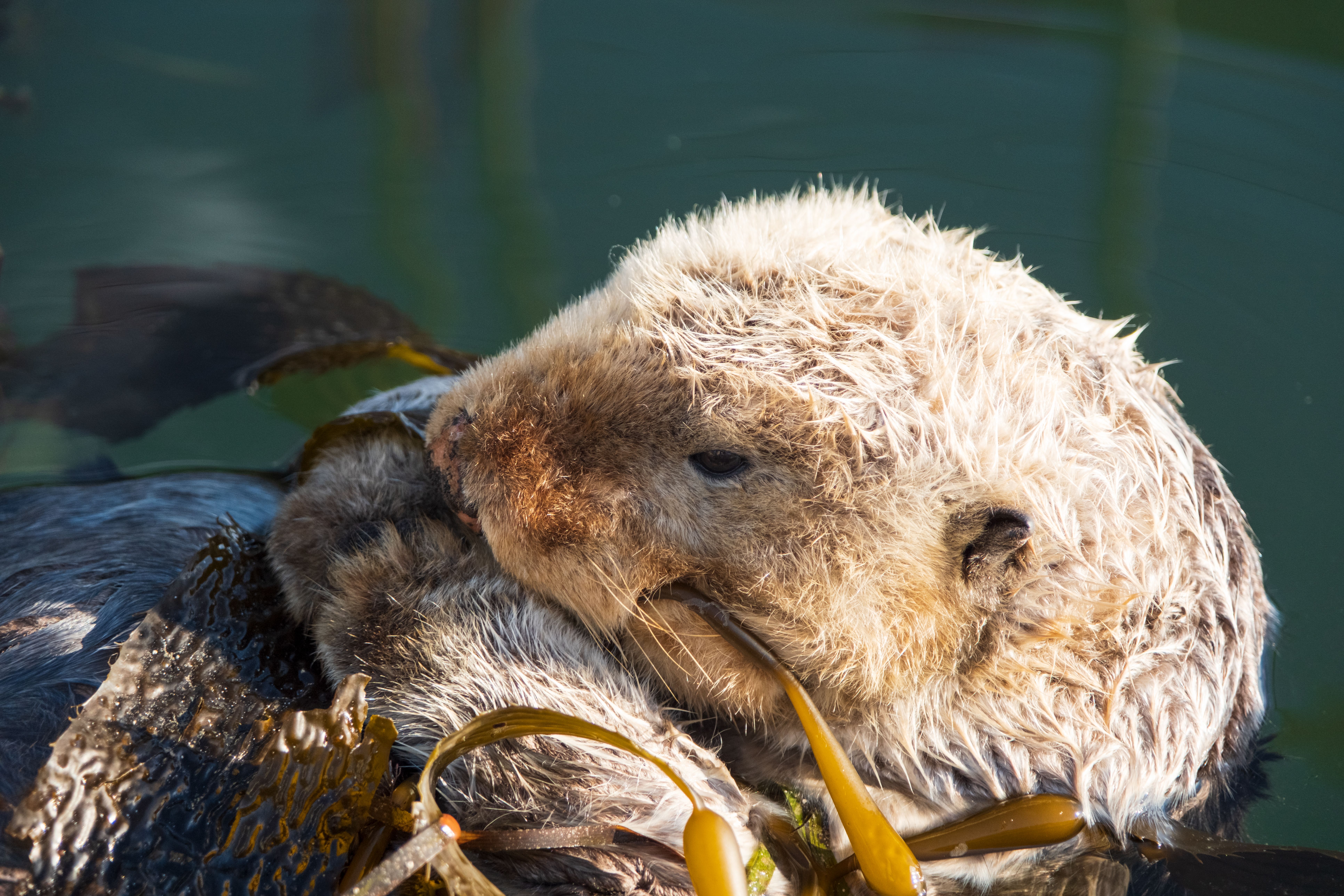
- A keystone species shapes an ecosystem far out of proportion to its abundance — the starfish, or a sea otter whose modest numbers control the urchins that would otherwise strip a kelp forest bare.
Calling an elephant or a wolf a keystone species is often correct, because their influence really does exceed their numbers. Calling every charismatic animal a keystone, because it feels important, drains the word of the precision that made it useful.
Why the precision is worth keeping
The keystone concept earns its keep by predicting something non-obvious and actionable: that protecting one modest population can hold an entire community together, and that losing it can trigger a cascade far larger than the loss itself.
That's a powerful claim, and it's testable. It tells conservationists where limited effort might buy outsized returns. But it only works as a guide if it's reserved for cases where the disproportion is real. If everything is a keystone, the term stops pointing anywhere — it becomes a synonym for "animal I care about", which is not information.
How to use the word honestly
Before calling something a keystone species, the test is a single question: is its effect on the ecosystem much larger than its abundance would suggest?
If yes — if removing it would cause a cascade out of proportion to its numbers — the term fits, and it's telling you something important. If the species matters mainly because it's big, beautiful, or abundant, it may well be worth protecting, but for other reasons. The keystone label is a specific ecological claim, not a compliment, and it's most useful when it's kept that way.
Sources and further reading
- Paine, R.T. (1966). Food Web Complexity and Species Diversity. The American Naturalist 100: 65–75 — the original starfish-removal study; Paine coined "keystone species" in a follow-up in 1969.
- Keystone Species (Nature Education) — an accessible account of the concept and its origin.
- Ecologists Struggle to Get a Grip on "Keystone Species" (Quanta, 2024) — on how the term has been stretched past its original meaning.